

ο ABOUT US ο SHOP ο TERMS & POLICIES ο CONTACTS
The NOBLE DESIGN WATCH,
From the WANDOLEC ART STUDIO
From Borys Sahaidak and the Art Studio Wandolec Team of Designers, Jewelers and Watchmakers.
To the thousands of our customers who have enjoyed purchasing our Noble Design Watches, I am to announce that we have been on market for seventeen years and are a Top Rated Seller with 100% positive feedback from you, our customers.
We are all very proud of this long and admired record that we work very hard every day to maintain.
As you know we give a new life to the authentic and restored antique movements that are placed in the newly designed cases created for them here at the Wandolec Art Studio.
Now you can buy our watches on the Wandolec Art Studio site: www.wandolec.com and soon on Amazon and Etsy.
My team and I are very pleased that so many people have the same love for great watches as individual art pieces as we do. The Noble Design watch was created precisely for that purpose and is an admired and joyful part of people's lives around the world.
Today your help and patronage on the new "Patreon" platform is especially needed. Our greatest wish is to continue to delight connoisseurs with our creations and to give valued old and abandoned watch movements a new life that can be valued and enjoyed.
On the "Patreon" platform you will be able to receive discounts and a prolonged warranty plus merchandise with the Wandolec Art Studio logo.
It will be sincerely appreciated it if you can find it in your heart to support us in this very difficult moment and that you will become a member of our Wandolec Art Studio team:
A very sincere Thank You from your friends in Ukraine,
Borys and all our creative team, the Wandolec Art Studio.
Wandolec at Patreon
Become a Patron!
ELITE AND HISTORIC BRANDS
We feature International brands with hundreds of years of documented history and world popularity. With sales around the world we offer the best restored antique vintage movements, They are the heart of our NOBLE DESIGN WATCH. It repesents the personification of status and success, it demonstrate appreciation for style and taste, originality and self-sufficiency.
WORLD POPULARITY
The NOBLE DESIGN WATCH for today is an indicator of the success of a modern man or woman. Hollywood stars, politicians, athletes and artists cannot be wrong. They appreciate our unique and handmade pieces of art that are also little time machines.
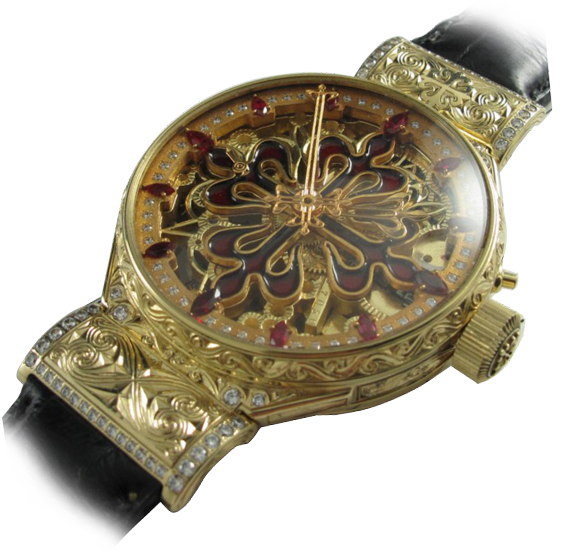
INSPIRED DESIGN
A watch is more than just a timepiece. These NOBLE DESIGN WATCHES are masterpieces of high technical art that originated in a beautiful and historic past. Every accomplished man and woman should wear such a special vintage watch that is a unique piece of art created here in Kiev.
HIGH QUALITY
We are an art and engineering team and we have produced hundreds of individual and unique NOBLE DESIGN WATCHES that bring special joy and happiness to many people around the world. We are constantly advancing our design and engineering techniques. People who appreciate what is handmade, special and unique buy our watches. They enjoy owning a timepiece that is the only example of that design ever created. It is the only one.
ANTIQUE WATCHES NEWS AND INFO
Antique Mens Wrist Watches News and Info


The NOBLE DESIGN WATCH, from the WANDOLEC ART STUDIO.
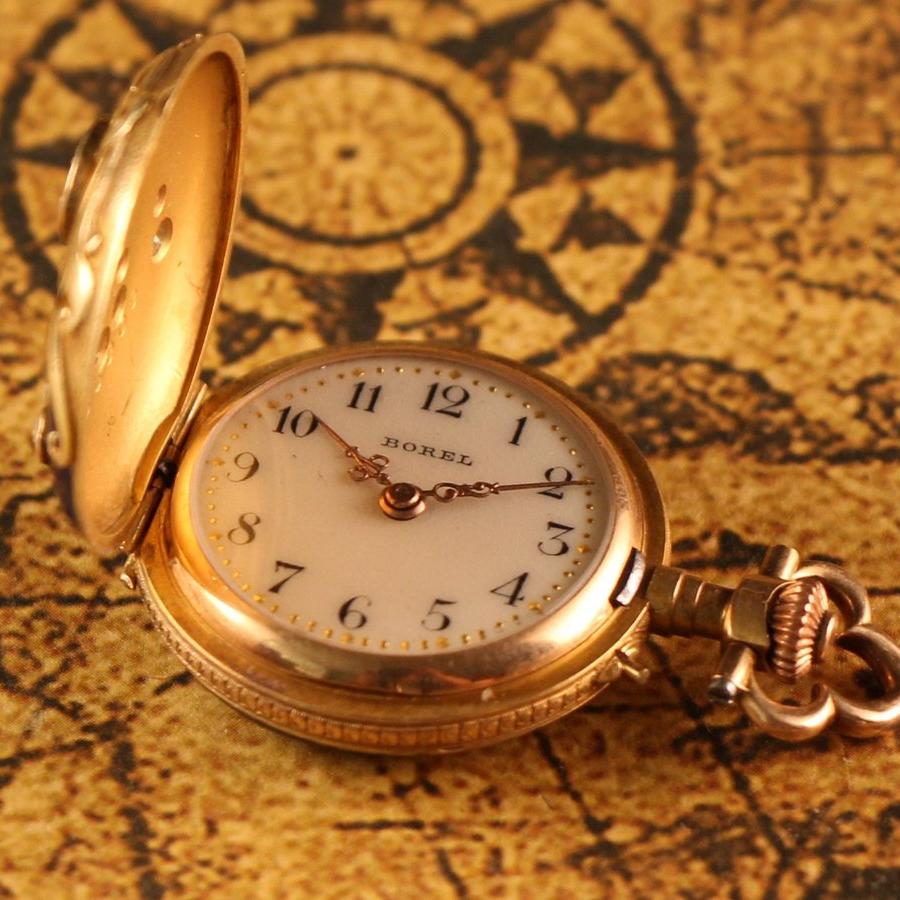
Vintage Mens Pocket Watch Mini BOREL Mechanical Gold 14K Brilliant
This watch made in Neuchâtel, in the very heart of what is now known as the "Watch Valley". It is here, in fact, at the end of the 17th century, that the flourishing art of Swiss watch making acquired its first distinctions. Since then, it has never ceased to develop and to fascinate the world with the perfection of its creations.
 Guarantee
 13 years on the market
 more our watches
on ebay
 MORE THAN 9000 watches sold

WELCOME TO
WANDOLEC ART STUDIO
The only one of its kind in the world, located here in the old, historic city of Kiev.
My name is Borys and here we create watches with valuable and historical movements that have been preserved, restored and placed in newly designed cases. My watches are singular works of art. Each is original and a one of a kind, a piece of artwork that is also a little time machine.
Most important of all, the people who work here are my best friends.
There are four watchmakers, a manager, a photographer, a wonderful lady who writes the auction description and does preparation for the auction. Also, there is an artist, three jewelers, two lathe operators, a person to work with the Post Office and me. All with great talent and dedication.
We are a team and we have produced hundreds of pieces of art that bring special joy and happiness to many people around the world. People who appreciate what is handmade, special and unique.
